
Field Speed

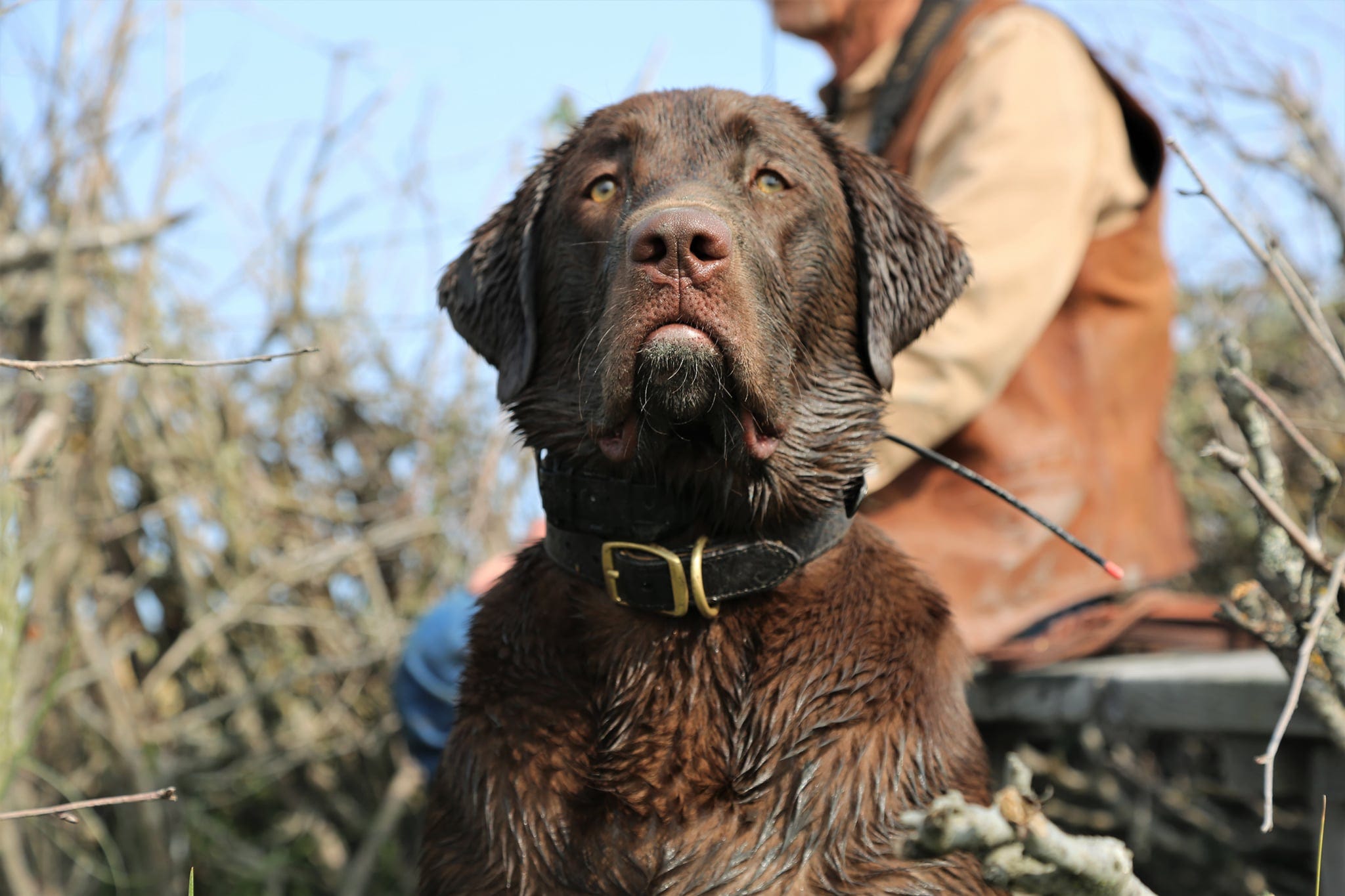
Rigby graduated from his chemotherapy protocol last week. In the words of his veterinarian, “We will now transition into active surveillance. He currently does not have evidence of disease in his chest on x-rays, which is great news!”
Although I knew this appointment was the last in a long series that began in September, Steve and I waited in a small back room to learn what “active surveillance” meant.
“Why do they bring you back to a room like they’re ready to see you and then make you wait?” he asked.
I was sitting on a padded bench while he paced back and forth in front of me. The room was small, with no art on the white walls. I agreed it would be more comfortable to wait in the lobby where there were comfy chairs, animal photography books, and cute dogs coming and going.
While he paced, I mused over the notion that I live with two versions of Steve: Field Steve and Steve in Captivity.
We have sat side by side in a duck blind for hours waiting for first light. In those moments, he is both alert and relaxed. The smooth pour of coffee into the lid of a thermos is balm to our souls. If we see ducks, we mention where they are, where they appear to be going, and if there is any conversation, it halts in the presence of a natural wonder. It doesn’t matter if you are about to get to the punchline of a joke, you stop your chatter.
One of my favorite memories is sitting in a blind with Steve and two friends. We’d been there for several hours with very little movement in the sky. A friend started to tell a story that had quite a long windup, and, as it always seems to happen, the ducks came in. (I think they love a good story, too.) Everyone shifted focus. We watched a flock of widgeon coast in and land just out of range. For nearly half an hour we worked the situation, telegraphed observations, coordinated duck calls, and rearranged dogs. The tide was coming in. The boat had to be moved soon. When the widgeon finally flew away, the tension released, and our friend picked up his story from right where he had left off.
If you saw Steve that day or on a crawl through marsh on a rainy day toward a pond, camouflaging his movements while enduring discomfort, you might think he was patient.
We had been in the back room for about five minutes when he got up and started pacing. “This is getting ridiculous,” he said.
We had left our house at 6 a.m. to make our 11 a.m. appointment in Anchorage. The roads through the pass had been glare ice the day before, so we felt lucky but nervous about freezing rain in the forecast. The ultrasound, x-rays, and intravenous administration of drugs had taken three hours. I had spent $7.50 on vending machine food, skimmed two books about dog breeds, and was now trapped in a small room with Steve climbing the walls.
I just wanted to see Rigby and get back on the road.
When the door finally opened, I saw Rigby’s happy face, his big brown body swaying back and forth. I didn’t care how awful the day had been up to that point. The tech dropped Rigby’s leash, and he came straight to us.
“He did great!” the vet said. As she explained that he wouldn’t need to be seen again for four more weeks and then again at eight weeks, I noticed the door to the hall was still open.
“Will he still need to take Denmarin for his liver and the probiotic?” I asked.
More people entered the room – vet techs, the two women from the front desk, and a few more people I had not seen before, but who Rigby seemed to recognize. The room was overfull with people now.
One of the techs pulled a piece of paper from her file. “Today is Rigby’s graduation day,” she said, holding up a certificate.
Everyone in the room clapped and cheered.
Rigby wagged his tail and picked up his leash in his mouth, parading around the room as if performing, gathering accolades. He seemed to know that all the fuss was for him.
I could feel my throat tighten. I didn’t want to cry, but I felt like it was going to happen. Steve’s face had the same choked look.
That moment of relief and joy doesn’t change the fact that neither of us is well-suited to the caged atmosphere of medical institutions. We are more accustomed to being in the field than in hallways.
In the field, everything moves at field speed, which is to say that stillness and action are shaped by purpose, with a heightened awareness that can make a second seem like an hour.
A photographer friend once joined us for a ptarmigan hunt in the mountains. When birds flushed and shots were fired, she was shocked, “It all happened so fast,” she said. In my mind, it happened slowly, almost frame by frame. The Navy SEAL mantra “slow is smooth, smooth is fast” is a concise description of how deliberate action can be faster because it reduces friction.
In shut-in places, confined to rooms and schedules, fighting through paperwork and obstacles seemingly without purpose except to catalog the life force as it is draining out of you, a second can seem like an hour, but heavy and unmoving. Steve and I are less prepared to handle the kind of slowness that is not smooth. It makes our hackles go up.
And yet, even though this year our waterfowl season began with Rigby’s diagnosis of a mediastinal mass consistent with lymphoma, and our lives entered a long standstill punctuated by waiting and terrible hold music, we had somehow summoned up our fortitude. Instead of a slow that moves you forward, we found a slow that holds you in place – within it, time that still belonged to us.
We set aside the part of ourselves that is ready to be called to adventure, to wild places, to the best moments a hunter shares with a bird dog, while wondering if letting go of some days afield meant giving up on the life we were trying to save.
These past five months have been some of the hardest of my life, but they are also filled with the unexpected gift of what might still be possible.
It was worth the wait.
I'm happy for you Rigby is such a handsome boy
Having been in that situation at my dog’s vet, I understand your feeling and, more important, I’m just thrilled to hear the good news!